Pakistan ODI Tri-Series 2026: How Local Players Can Spot Value Odds on PAK vs ENG Without Getting Burned
GamePK Editor · · 6 views
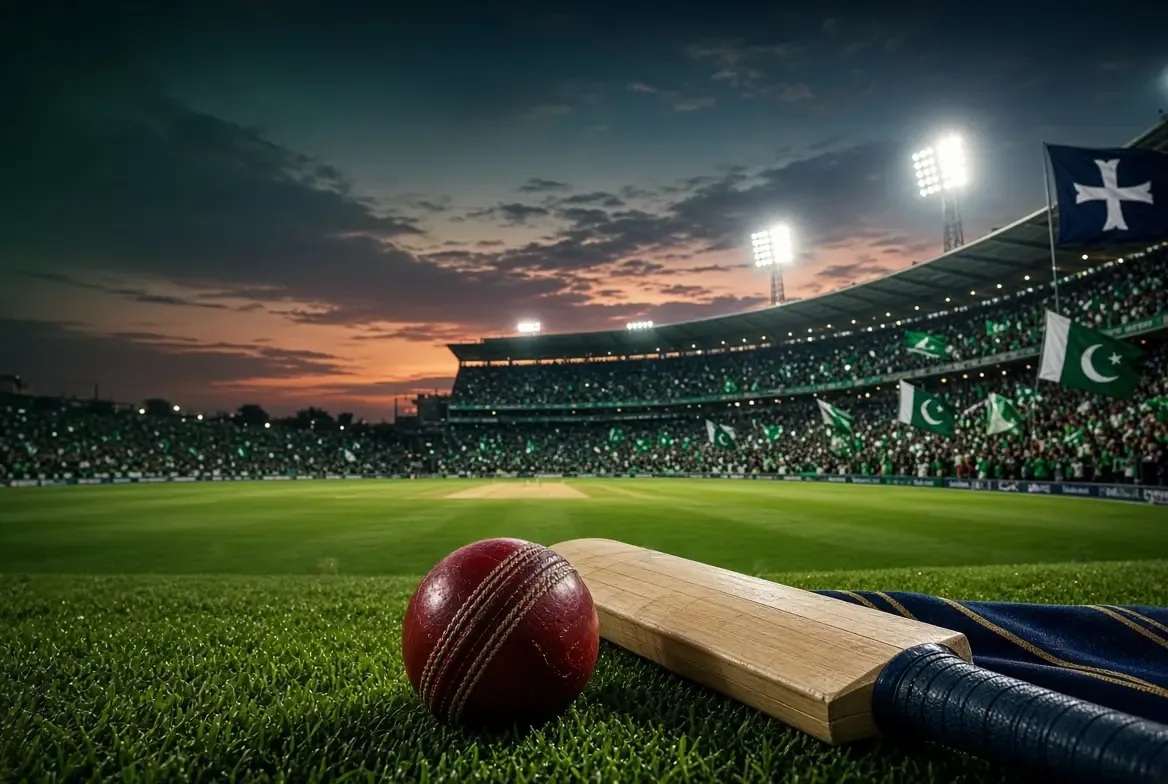
The Pakistan ODI Tri-Series 2026 has the country buzzing. Hosts Pakistan, England, and Sri Lanka are locked in a seven-match contest running from 18 to 31 October across Rawalpindi and Lahore. After Pakistan’s solid 37-run win over Sri Lanka on 18 October at Rawalpindi Cricket Stadium (305 versus 268), attention swings hard to the 20 October day-night clash against England at the same venue.
The Pakistan ODI Tri-Series 2026 has the country buzzing. Hosts Pakistan, England, and Sri Lanka are locked in a seven-match contest running from 18 to 31 October across Rawalpindi and Lahore. After Pakistan’s solid 37-run win over Sri Lanka on 18 October at Rawalpindi Cricket Stadium (305 versus 268), attention swings hard to the 20 October day-night clash against England at the same venue.
Local players watching the PAK vs ENG odds move in real time know the drill. One big social-media claim, a late injury rumour, or a sudden swing in the numbers and the group chat lights up. Many chase the movement without a clear framework and end up on the wrong side of the market. This piece lays out a neutral way to read the scene around Pakistan ODI Tri-Series 2026 fixtures, especially the Rawalpindi PAK vs ENG game, so you can judge whether numbers look overheated or overlooked. It is strictly informational. Nothing here is advice to bet.
Important risk note from the start: All forms of online betting and gambling remain illegal under Pakistani law. Participating carries real legal risk and the near-certain chance of losing money. This article exists only for educational discussion of market behaviour around cricket. Treat every number you see as public information only. Never risk funds you cannot afford to lose.
Quick Series Context and the Rawalpindi Factor
The tri-series follows a straightforward format: each side plays the other twice, then the top two contest the final in Lahore on 31 October. The first three matches sit in Rawalpindi; the rest move to Gaddafi Stadium.
Pakistan entered the England game with one win and positive net run-rate after Salman Ali Agha’s century and a strong pace showing against Sri Lanka. England arrived with recent white-ball momentum under Harry Brook, Joe Root in strong form, and key returns such as Adil Rashid and Sam Curran. Jos Buttler’s absence through injury is already priced into most markets.
Rawalpindi Cricket Stadium has shown clear patterns in recent ODIs. Average first-innings totals have climbed into the mid-260s. The surface often offers early bounce and carry for the quicks, then settles into a true batting track. Day-night games bring the familiar dew factor that can make chasing attractive. Captains who win the toss have frequently preferred to field first in recent seasons at the ground. These characteristics influence how markets open and how they move once team news and weather forecasts firm up. A pitch expected to favour batters tends to compress the gap between two strong batting sides; any unexpected seam movement or cloud cover can swing numbers the other way.
How Odds Typically Move Before a Big Home Game
Markets for high-profile Pakistan home ODIs rarely stay still between opening and the first ball. Common drivers include:
- Confirmed team news or late fitness updates (for example, illness reports around certain Pakistan all-rounders or confirmed returns for England spinners).
- Weather and pitch reports closer to match day.
- Public and local sentiment. Heavy home support often pushes Pakistan prices shorter than a pure form reading might justify.
- Early volume from different regions. Overseas money can lean one way while local volume leans another, creating temporary gaps between platforms.
When numbers move fast, the most common mistake is chasing the latest shift without checking whether the underlying reason is already fully reflected. A late injury rumour can create a short window of apparent value; once the rumour is confirmed or denied, that window closes. Another frequent error is treating the opening line as “the truth” and ignoring subsequent information. The opposite error—assuming every late move is smart money—is equally costly. Most sharp movement is simply the market absorbing public information.
Platform differences exist for ordinary reasons: different risk appetites, different customer bases, slower or faster reaction times to news, and varying liquidity. A wider gap does not automatically equal free value; it often reflects one market lagging or another overreacting to the same information.
A Simple Neutral Framework for Judging “Worth Watching”
Instead of hunting for a “sure thing,” use a short checklist that keeps emotion secondary:
- Form and context first. Compare recent ODI results, head-to-head trends, and current squad strength. Pakistan’s home record and the bounce available to Shaheen Afridi, Naseem Shah and Haris Rauf matter. England’s batting depth with Root, Brook, Duckett and the returning Curran also matters. Write down a quick independent probability estimate before looking at any number.
- Venue and conditions. Factor the Rawalpindi average scores, the day-night dew possibility, and any pitch or weather notes released closer to the match. Conditions that favour chasing can change the value of the toss and the relative strength of batting line-ups.
- Information quality. Rank news by reliability. Official team announcements and reputable local reporting rank higher than unverified social posts. Ask whether the market has already moved on that information.
- Relative pricing. Look across multiple sources for the same market. Large unexplained gaps invite a second look at whether one side is simply slower. Small gaps are normal.
- Overheating check. If one side has shortened sharply on pure public enthusiasm with no matching change in team news or conditions, the opposite side may have become relatively interesting on paper. The reverse also applies.
The goal is never “this must be backed.” The goal is only to decide whether a particular price still reflects the balance of probabilities you independently assessed, or whether it has drifted too far in one direction. Most of the time the honest conclusion is “no clear edge—sit out.”
Practical Checklist Before You Even Think About Numbers
Local players who stay disciplined tend to ask themselves a handful of questions every time:
- Have I written down my own view of the match probabilities before checking any prices?
- Does the current number still match that view after the latest confirmed team news and pitch report?
- Am I reacting to a rumour or to verified information?
- Is the apparent gap between sources large enough and persistent enough to matter, or is it just normal variation?
- Can I explain, in one clear sentence, why this price looks better or worse than my independent assessment?
- Most important: am I prepared to walk away if nothing looks out of line?
If the answer to the last question is no, the rest of the checklist is wasted.
Legal Status and Money Risk in Pakistan
Under Pakistani law, online gambling and betting of any kind are prohibited. Enforcement varies, but the activity itself is illegal. Players who use offshore platforms face additional practical risks: accounts can be frozen, withdrawals delayed or refused, and there is no local legal protection if something goes wrong. Funds sent abroad can disappear. Even if a short-term result goes your way, the combination of legal exposure and financial risk remains.
No article, tipster, or group chat can change that reality. Treat every discussion of PAK vs ENG odds or value odds Pakistan as theoretical conversation only. The safest and only fully compliant approach is not to participate.
Common Pitfalls When Numbers Move Quickly
- Chasing a shortening favourite purely because “everyone is on it.”
- Ignoring dew or pitch reports that alter expected scoring rates.
- Over-weighting one big recent performance (a century or a five-for) while under-weighting overall squad balance.
- Assuming a platform that offers a longer price is somehow “better” without checking liquidity or reliability of the source.
- Increasing stake size after a loss in an attempt to recover quickly.
Each of these errors is more expensive than the original price difference most people are trying to exploit.
Closing Thoughts and Rational Approach
The Pakistan ODI Tri-Series 2026, and the specific PAK vs ENG fixture at Rawalpindi on 20 October, will generate plenty of noise around odds. A calm framework that starts with independent assessment of form, venue, and confirmed information, then compares that assessment to the prices on offer, reduces the chance of pure impulse decisions. Most of the time the rational action is still to stay out.
Remember the dual risk: money lost is gone, and participation itself sits outside the law in Pakistan. This entire discussion is for information and educational purposes only. It does not constitute betting advice, does not recommend any platform, and does not encourage anyone to place a wager.
Watch the cricket, enjoy the home support, and keep decisions grounded. That approach lasts longer than any short-term number that looks attractive at 1 a.m.
FAQ
Is online betting legal in Pakistan?
No. All online gambling and betting activities are illegal under Pakistani law. Legal and financial risks are real.
Does a longer price automatically mean value?
No. A longer price can simply reflect lower demand, slower information flow, or higher risk. Compare it against your own independent assessment first.
How much does the Rawalpindi pitch usually influence markets?
Recent ODI history shows batting-friendly averages and a frequent preference for chasing in day-night games. Markets usually incorporate these patterns once pitch and weather reports are public. Sudden changes in expected conditions can still move numbers.
Should I treat social-media claims as reliable team news?
No. Prioritise official announcements and established reporting. Unverified posts are a common source of unnecessary market noise.
Stay disciplined, stay informed, and treat every price as public data only. The match itself remains the main event.